
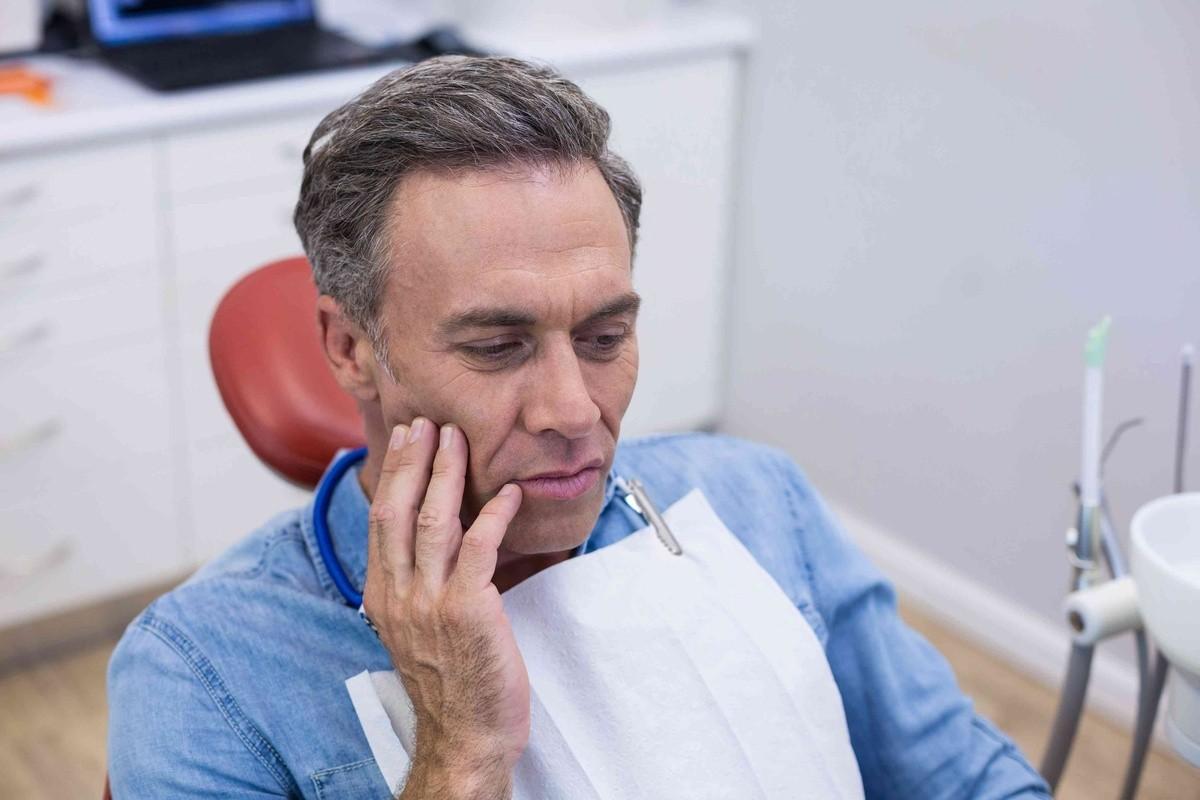
An Emergency Dental Clinic Scarborough patients visit may help with severe tooth pain, swelling, broken teeth, knocked-out teeth, bleeding, dental trauma, or signs of infection. In Scarborough, urgent dental care is recommended when symptoms are intense, worsening, or linked to fever, facial swelling, injury, or trouble chewing. An emergency dental visit usually focuses on finding the cause, reducing risk, and planning the next step after evaluation.
Dental pain can change a normal day quickly. A tooth may begin throbbing at night, swelling may appear near the gums, or a broken tooth may make chewing difficult. Some symptoms are mild at first, while others need quicker attention. Patients may not always know whether to wait for a regular appointment or seek urgent help.
For anyone searching for an Emergency Dental Clinic in Scarborough, the main concern is often whether the problem can wait or should be evaluated urgently. Dental emergencies are not limited to accidents. They can also include infection signs, severe toothache, uncontrolled bleeding, or swelling that spread. At Cedarbrae Dental, patients may ask what symptoms need prompt care and what can be done before the visit.
Signs That May Need Emergency Dental Care
A dental emergency is any oral health problem that needs prompt attention because of pain, infection risk, injury, bleeding, or damage to a tooth or restoration. Some concerns can wait for a regular visit, but others should be evaluated quickly.
Patients in Scarborough should seek urgent dental care for severe tooth pain, facial or gum swelling, bleeding that does not stop, a knocked-out tooth, a broken tooth with pain, or signs of infection. Fever, pus, a bad taste, or swelling that spreads may point to a problem that needs prompt care.
Pain that wakes you up, worsens quickly, or makes chewing hard should also be checked. Tooth pain can come from decay, crack, gum infection, abscess, damaged filling, or bite pressure.
Tooth Pain That Should Not Be Ignored
Not every toothache is an emergency, but certain pain patterns deserve attention. Sharp pain when biting may suggest a crack, cavity, or issue under an old filling or crown. Throbbing pain may point to inflammation or infection inside the tooth.
For someone looking for emergency dental care in Scarborough, it helps to notice how strong the pain is, how long it lasts, and whether swelling is present. Mild sensitivity that comes and goes may be less urgent than severe pain that spreads or gets worse.
Pain relievers may reduce symptoms for a short time, but they do not treat the cause. A dental exam can help determine whether the issue involves the tooth, gum tissue, nerve, bite, or surrounding bone.
Swelling and Infection Warning Signs
Swelling near a tooth, along the gumline, or in the face can be a sign of infection or inflammation. Dental infections can sometimes spread beyond the original tooth area. This is why swelling should be checked quickly, especially if it is getting larger.
Patients should seek urgent care if swelling comes with fever, tiredness, trouble opening the mouth, difficulty swallowing, a bad taste, or pus. These symptoms can suggest that the body reacts to infection.
It is not safe to try to drain swelling at home. Pressing on the area can irritate the tissue and may make the problem worse. Warm salt water may help keep the mouth cleaner, but it is not a replacement for dental care when infection signs are present.
Broken, Chipped, or Knocked-Out Teeth
A chipped tooth may not always need emergency treatment, especially if the chip is small and there is no pain. Still, it should be checked because sharp edges can irritate the tongue or cheek, and cracks can sometimes extend deeper than they appear.
A broken tooth with pain, bleeding, or exposed inner tooth structure should be evaluated urgently. Try to save any broken pieces if possible. Avoid chewing on that side until a dentist can examine it.
A knocked-out permanent tooth is time-sensitive. Hold the tooth with the crown, not the root. If it is dirty, gently rinse it with milk or saline if available. Do not scrub it. Try to place it back in the socket only if it goes in easily or keep it moist in milk.
Lost Crowns, Fillings, and Damaged Dental Work
A lost filling or crown may not always feel severe right away, but it can leave the tooth exposed. Food, bacteria, temperature changes, and bite pressure may irritate the area.
If a filling falls out and the tooth becomes painful or sharp, it should be checked. If a crown comes loose, keep it in a safe place and avoid chewing on that side. Do not use household glue to put it back.
Some restoration problems can wait for a regular appointment, while others need more care. Pain, swelling, bleeding, or a broken tooth underneath the restoration should be treated more urgently.
When a Crown May Be Part of Follow-Up Care
A dental crown Scarborough patient needs may be discussed if a tooth is cracked, weakened, heavily filled, or broken in a way that requires more coverage than a filling can provide. Crowns are not always placed during emergency visits, but they may be part of the follow-up plan.
The emergency appointment often focuses first on the cause of pain or damage. Once the tooth is evaluated, your dentist may explain whether a filling, crown, root canal evaluation, extraction, or another treatment may be needed.
A tooth that hurts when biting may need careful testing. The right treatment depends on the crack, decay, bite pressure, and amount of healthy tooth structure left.
What to Do Before the Appointment
While waiting for an emergency dental visit, focus on protecting the area. Rinse gently with warm water if there is debris. Use a cold compress on the outside of the cheek for swelling or injury. Avoid chewing on the painful side.
If there is bleeding, gentle pressure with clean gauze may help. If bleeding does not slow or stop, urgent medical or dental care is needed. For a lost filling or crown, avoid sticky or hard foods and keep the restoration if you still have it.
Do not place aspirin directly on the gums or teeth. This can irritate or burn the tissue. Over-the-counter pain relievers should only be used as directed on the label and based on your health needs.
How Urgent Dental Care Helps Protect the Mouth
Emergency dental care is often about comfort, but it is also about protecting oral health. A damaged or infected tooth can affect chewing, sleep, speech, and daily function. It may also place nearby teeth and gum tissue at risk.
Urgent dental care may help with:
- Identifying the cause of pain or swelling
- Reducing risk from infection signs
- Protecting a broken or weakened tooth
- Addressing bleeding or trauma
- Preventing chewing pressure from worsening damage
- Creating a clear plan for follow-up care
For many patients, the most helpful part of an emergency visit is clarity. Once the source of the problem is identified, the next step can feel less uncertain.
What Usually Happens During an Emergency Visit
An emergency dental appointment usually starts with questions about your symptoms. Your dentist may ask when the pain began, what makes it worse, whether swelling is present, and whether there was an injury.
The dentist may examine the teeth, gums, bites, and nearby tissues. X-rays may be recommended if the cause is not visible, or if infection, decay, cracks, or bone changes need to be checked.
Treatment depends on the findings. Some patients may need temporary repair, smoothing of a sharp tooth, drainage, medication guidance, filling, crown planning, root canal evaluation, or extraction discussion. If more than one step is needed, the dentist may focus first on the most urgent concern.
Local Patient Review
“I came in worried about sudden tooth pain and left with a clear explanation of what was happening. The visit felt steady, and I understood the next step.”
A Calmer Way to Handle Dental Urgency
Urgent dental symptoms can feel stressful, but the next step becomes easier when you know what needs attention. For patients in Scarborough dealing with pain, swelling, broken teeth, or dental trauma, Cedarbrae Dental can help explain care options after an evaluation.
Frequently Asked Questions
What is considered a dental emergency?
A dental emergency may include severe tooth pain, swelling, trauma, uncontrolled bleeding, a knocked-out tooth, or signs of infection. If symptoms are intense, spreading, or linked to fever, urgent dental care is recommended.
Should I visit an emergency dental clinic for tooth pain?
Yes, if the pain is severe, worsening, keeps you awake, or makes chewing difficult. Tooth pain may come from decay, infection, crack, gum issues, or bite pressure.
What should I do if I break a tooth?
Rinse gently with warm water and avoid chewing on that side. If the tooth is painful, bleeding, or has a sharp edge, a dentist should evaluate it.
Is facial swelling from a tooth urgent?
Yes, facial or gum swelling can be a sign of infection and should be checked promptly. Seek urgent dental care if swelling spreads, worsens, or comes with fever or feeling unwell.
Can a knocked-out tooth be saved?
In some cases, a knocked-out permanent tooth may be saved if care happens quickly. Keep the tooth moist, avoid touching the root, and seek emergency dental care right away.
What happens during an emergency dental appointment?
Your dentist will review symptoms, examine the area, and recommend X-rays. The visit focuses on finding the cause, reducing risk, and explaining treatment options.
Should I go to a dentist or emergency room for dental pain?
A dentist is usually best for tooth-related causes, but goes to the emergency room for trouble breathing, trouble swallowing, major facial trauma, uncontrolled bleeding, or severe spreading swelling.
Can urgent dental care prevent a bigger problem?
Often, yes. Early evaluation may help stop a cracked, infected, or painful tooth from becoming harder to treat, depending on the cause and your oral health.