
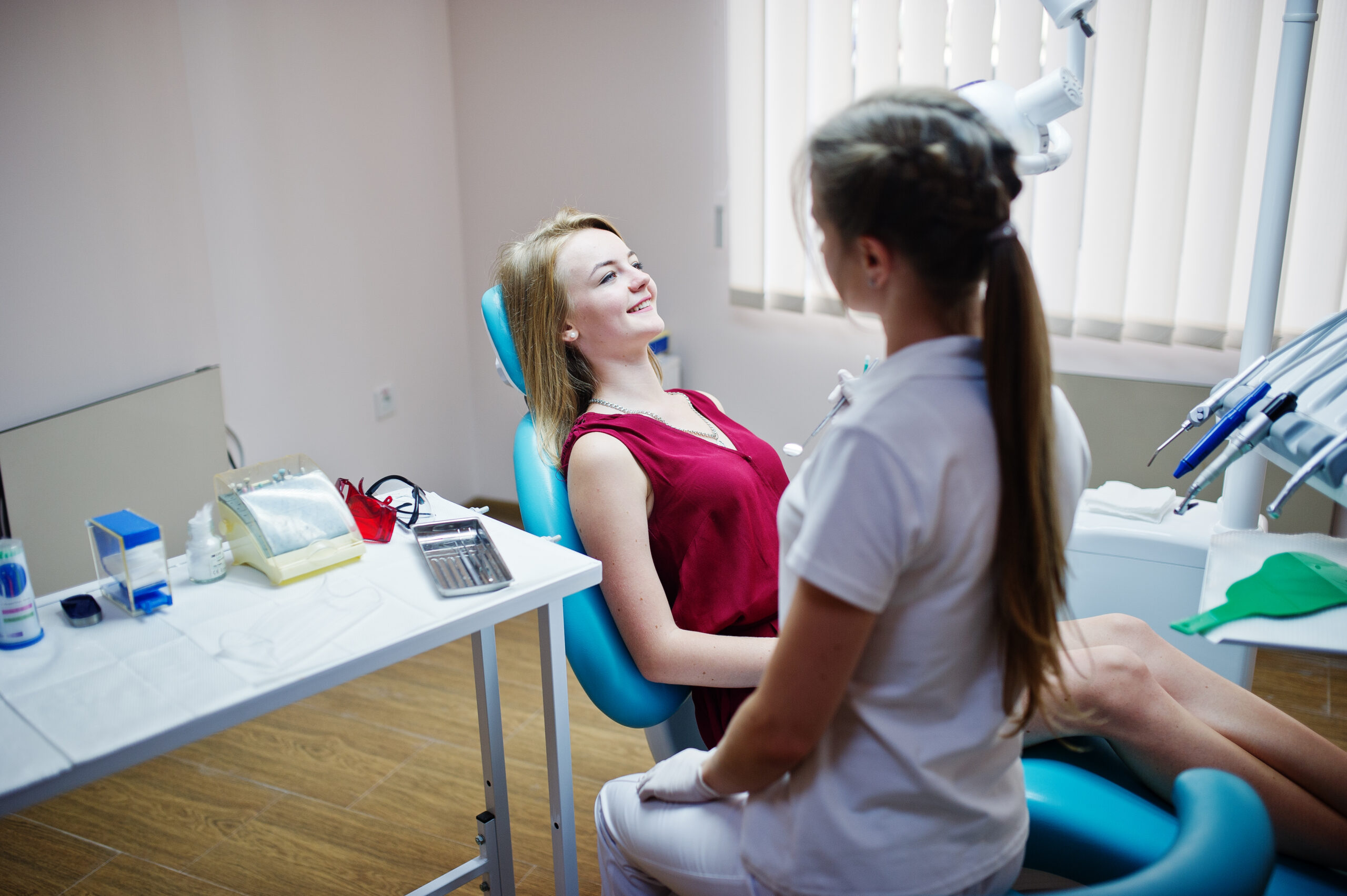
Dental emergencies can happen anywhere – while enjoying food at Scarborough Town Centre, during a weekend family outing, or even while resting at home. When something unexpected happens to your teeth or gums, knowing what to do before you arrive to visit our emergency dentist in Scarborough can make your visit smoother and help protect your oral health.
This guide explains what counts as a dental emergency, what you can do at home, and how to prepare for your visit with an emergency dentist in Scarborough.
What Counts as a Dental Emergency?
A dental emergency involves any issue that needs prompt care to reduce pain, prevent complications, or protect your teeth. These situations may include:
- A knocked-out or loose adult tooth
- Lost filling and crown
- A severe toothache or bleeding
- Soft tissue injuries, such as bites to the tongue, lips, or gums
- Signs of infection or a dental abscess
If you are unsure whether your situation is an emergency, you can always call a dental office for guidance. Many issues can feel overwhelming, and having a professional assess the urgency can help you make the right choice.
First Steps to Take at Home
While you make arrangements to see an emergency dentist in Scarborough, there are steps you can take to manage discomfort. These steps are adapted from commonly recognized emergency dental guidelines.
🦷 If a Tooth Is Knocked Out
- Handle the tooth by the crown – the top part – rather than the root.
- Rinse it gently with water if it is dirty, without scrubbing.
- If possible, place the tooth back into the socket and gently hold it in place.
- If reinsertion is not possible, store the tooth in milk or a saline solution to keep it moist.
- Seek dental care as soon as possible, since timely attention increases the chance of saving the tooth.
😖 If You Have a Severe Toothache
- Rinse your mouth with warm salt water to help remove debris.
- Apply a cold compress on the outside of the cheek if there is swelling.
- Over-the-counter pain relief may help temporarily, but avoid placing aspirin directly on the gum.
- Avoid very hot or cold foods until the source of the issue is assessed.
😬 If You Have a Chipped or Cracked Tooth
- Rinse your mouth gently to remove loose fragments.
- Save any pieces you can find and bring them with you.
- A cold compress can help reduce swelling or discomfort.
- Try to avoid chewing on the affected side.
What to Bring to Your Appointment
Being prepared can help the dental team assist you more efficiently. Consider having the following with you:
- Your health card and insurance information
- A current list of medications
- Any dental appliances involved in the emergency
- Tooth fragments or a knocked-out tooth stored properly
Even if you feel flustered, bringing these items can help the visit go more smoothly.
How Emergency Dentists Can Help
When you arrive for emergency dental care, the team will focus on identifying the issue and providing supportive treatment. Dental emergencies can feel stressful, but many situations can be stabilized or treated on the same day.
The general process may include:
Assessment
Our dentist will examine the affected area and may use X-rays or other diagnostic tools to understand the cause of your symptoms.
Pain Relief
The first priority is reducing discomfort in an appropriate way based on your individual needs.
Treatment Plan
Depending on the issue, the dentist may provide a temporary or long-term solution. This may include smoothing a damaged tooth, addressing an infection, or stabilizing a loose tooth.
Follow-up Care
If a second visit is needed, the team will explain your options clearly so you know what to expect.
Benefits of Seeking Prompt Emergency Dental Care
Emergency dental care is designed to help:
- Protect damaged or loose teeth
- Reduce pain and swelling
- Prevent infections from worsening
- Provide clarity about next steps
About Our Practice: At Cedarbrae Dental, our team is committed to honest advice and timely, personalized support you can count on. Learn more about us.
Real Patients, Real Stories
“Very professional, listens to your concerns. painless and willing to make your visit as calm as can be.” – June S.
Tooth pain or injury? Don’t wait.
Call Cedarbrae Dental now at (416) 282-7986 ASAP for support!
Frequently Asked Questions
How do I know if I need an emergency dentist in Scarborough?
If you are experiencing persistent pain, swelling, bleeding, or a loose or broken adult tooth, it is best to reach out to our emergency dentist. Many people feel unsure about whether an issue is urgent, and calling our dental office can provide clarity. Our friendly team can ask questions about your symptoms and guide you toward the right next steps based on your situation.
Can a cracked tooth be treated right away?
In many cases, our dentist in Scarborough can provide a temporary or permanent repair on the same day, depending on how severe the crack is. A small chip may be smoothed or bonded quickly, while deeper cracks may require more complex care. Our general dentist will examine the tooth and explain the options, ensuring you understand what is recommended and why. Have questions? Call us at (416) 282-7986!
What if my child knocks out a baby tooth?
If a baby tooth is knocked out, ensure you call our emergency dentist in Scarborough immediately. If your child loses a baby tooth due to trauma, the priority is to manage bleeding and keep your child calm. If there is bleeding, rinse the mouth with water and apply gentle pressure with a clean piece of gauze. You can also apply cold compresses to the outside of the mouth to reduce any swelling.
Can I visit an emergency dentist if I do not have insurance?
Yes, you can seek emergency dental care even without insurance. Our dental team is familiar with helping patients understand their options so they can make informed decisions about treatment. If you are unsure about the process, our administrative staff can walk you through it step by step. Reach out for more information at (416) 282-7986!
When do I call 911 instead of an emergency dentist in Scarborough?
For certain emergencies, medical attention is required over dental care. Call 911 or visit the nearest emergency room immediately if you are experiencing difficulty breathing or swallowing, uncontrolled bleeding, or facial trauma that extends beyond the teeth. You can visit our Emergency Dental Care page to learn about what constitutes urgent dental care!